






















Children's Art Pages: The Three-Second Rule
Datum


Adults Make the Rules
On this page, I’d like to introduce you to a type of creative project work with traumatized children. You can find an introduction to the topic here
What may be a minor problem for one person can shake the entire world of another. This applies to children just as much as it does to adults. Creative education for traumatized children addresses precisely this issue. It can effectively help solve some of those real childhood problems, the burden of which is by no means less than the problems adults have to endure and overcome.
You think you have a huge problem. Then you do. But just imagine if there were people living among us at an age that the Bible describes as normal for the time before the Flood: they became fathers at 600 and died at 900. Would a 600-year-old person perhaps view our huge problems in a similar way to how adults
generally assess children’s problems based on their actual severity?
Sure, that’s an assumption. But a pretty convincing one.
Creative pedagogy does not put complicated philosophical considerations up for debate. Rather, it is based on two simple premises: Ultimately, every problem can only be overcome by the person it affects. Others can support that person in expanding their scope of action. And every person—child or adult—has the resources to respond to their problems and achieve a new, stable life situation. 
What they may lack, however, is the mental and physical flexibility to actually put these resources to use. In many cases, the resulting solution will not match their original desire. And that’s a good thing. Very often, it is precisely their own perception of themselves, their relationships, and the things around them that is the cause and the actual trigger of the current huge problem.
Children sometimes find it very difficult to steer their own actions and lives—even in crisis situations—in a responsible and purposeful way toward a stress-free, fulfilling path. This is especially true when adults don’t show them, precisely in these acute moments, how to do so.
Yet for younger children, it often wouldn’t be that difficult to follow such role models. After all, they learn primarily through imitation.
I’d like to tell you about one such case in this post.
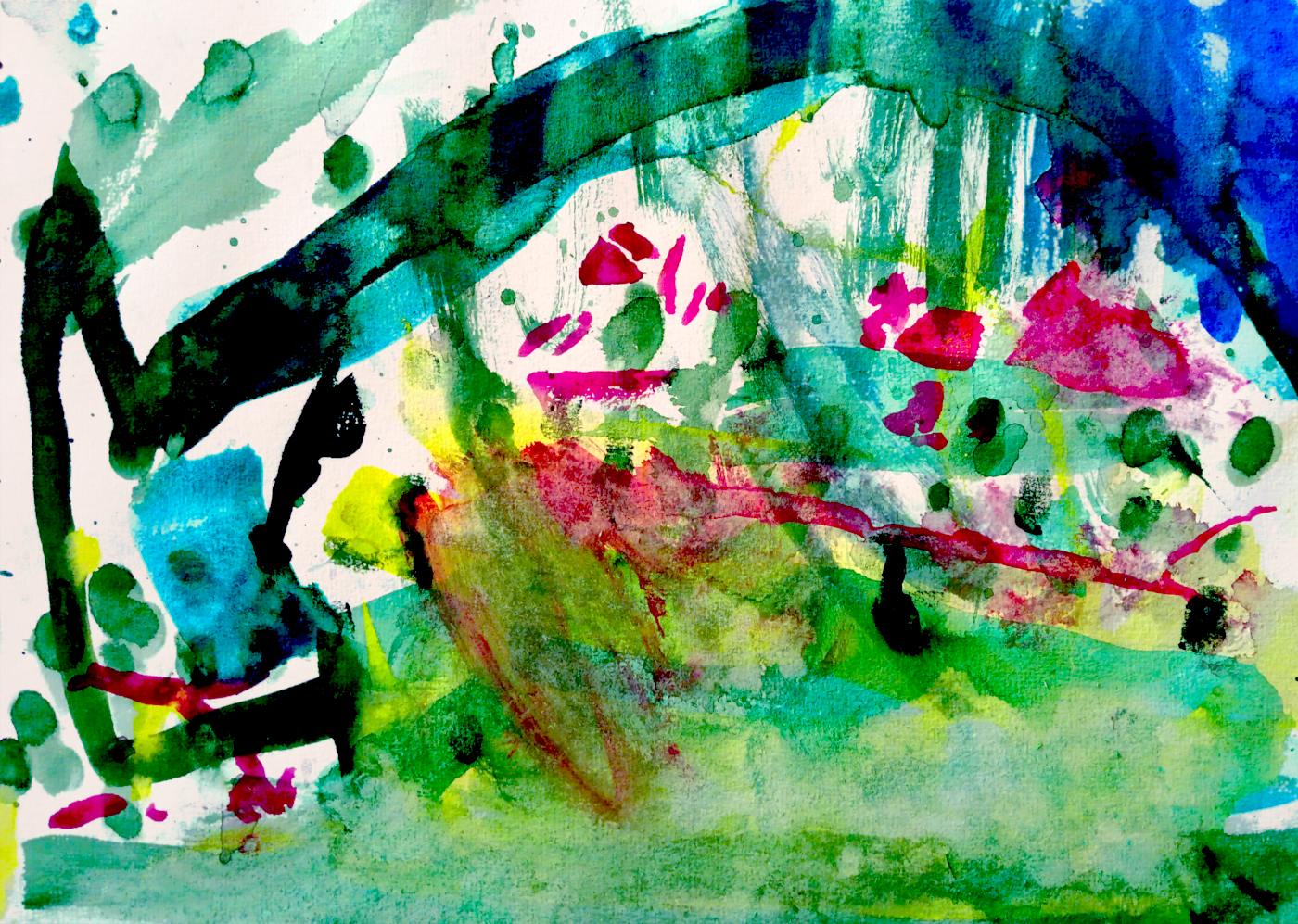
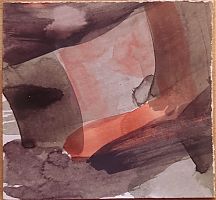
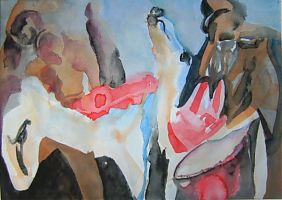
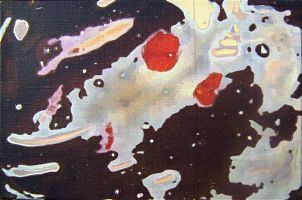
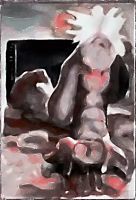
Die drei Sekunden Regel, Kinderblatt zu einem Aquarellprojekt zu "Regeln der Erwachsenen für Kinder", RLP 2022, aufbereitet als Giclée-Print bis zu einer Größe von 60 cm x 84 cm DIN A1, Zülpich 2026
Actually, the story begins before I even arrived on the scene.
Five children in a residential group, one staff member who, during her day at the office, had to juggle appointments, developmental reports, and medications between school, preschool, a psychiatric center, the pediatrician, and therapists. The children were whining, and the staff member was becoming increasingly overwhelmed. There was a specific reason for the temporary staff shortage that day, which I won’t go into further here.
I mention this because even professional work must find its value in the human aspect. After more than two hours of important office work, however, one must not overlook what had become clear to the children in the meantime: they felt neglected. And they discovered that, with relatively little effort, they could push an adult to the point of being overwhelmed.
Offering false reassurances followed by rewards is not a risk-free endeavor in a group home. What may work perfectly well within a family—and is part of everyday life there—can reinforce problematic behavior patterns in a group home.
The staff member, glad to have finally met the day’s demands—the “light at the end of the tunnel” moment—responded to the children’s increasingly destructive behavior with an appeal for understanding and a promise.
But an appeal for understanding can easily be interpreted by children as an admission of guilt. A subsequent reward, in turn, can be seen as a kind of restitution or compensation. No reciprocity is required in return—not even a “thank you.”
Just as Malamadita, my working dog, and I were crossing the street, he greeted us—and splat! Both scoops of ice cream fell right out of her cone and landed on the sidewalk, creating a work of modern art.
That didn’t bother the boy much, though. Smiling, he greeted Malamadita once again most warmly, parked his bike, and suddenly began to wonder if I could really keep Mala at a safe distance.
“I’ll keep her away, don’t worry.”
He smiled, crouched down next to his former scoops of ice cream, and set about scooping at least most of it back into his cone.
Meanwhile, my coworker had paid and was just coming out of the ice cream shop.
“Ew, what are you doing there?”
The three girls were immediately on the scene, licking their ice cream with relish. “Three-second rule,” said one. The other two repeated it in unison.
A car honked.
The staff member explained, “We don’t scrape ice cream off the ground. Besides: three-second rule!”
The boy jumped into this battle rap and demanded his new ice cream. After all, the ice cream he’d paid for had ended up on the sidewalk, where it was inedible. He would have taken it back—but the three-second rule! Okay, but even then, “the debt” wasn’t settled for him.
In between, the chorus kept repeating: “Three-second rule!”
Another car honked back.
He didn’t get his new ice cream. I stayed out of it. In the end, Mala got to eat the ice cream and even got a bite of the cone from a sad, angry boy.
Back at the facility, the second colleague had arrived in the meantime, along with the two late-shift workers. Handover meeting. I started an art class with the girls; the boy retreated to his room. Then a call came in on my cell phone. A neighbor. That had never happened before and, in itself, suggested that something was amiss.
I left the girls alone, ran downstairs, and saw the boy on the street in front of the facility. In that 30-zone, he was smashing glass bottles on the asphalt. No one had noticed anything. The office was closed; the eventful day had required a detailed handoff, and the office window faced the backyard. That’s why none of my colleagues had seen anything.
A stretch of road about ten meters long was littered with shards of glass. In the evening sun, they sparkled as unreal as in a fairy-tale movie. A few cars had pulled over on both sides of the road. People shaking their heads behind the steering wheels snapped me back to reality.
I gently took the glass bottles from the boy’s hands and put them back in the glass recycling tower by the roadside, which had been waiting there since that morning to be taken to the glass recycling container by the staff on duty. In the open garage, I found several brooms. I took two of them and pressed one into the boy’s hand. Then I began sweeping the broken glass across the road onto the sidewalk in front of the facility. The boy stood on the median like a scarecrow, holding a broom. He clearly didn’t quite know what he wanted or was supposed to do next. One of the drivers came over, took the broom from his hand, and began sweeping as well.
Then the boy ran to the garage and fetched two more street brooms. A female driver joined us, and the four of us had swept everything onto our side within a few minutes.
My colleagues arrived, saw the mess, but said nothing. Without a word, they shoveled the glass shards into a tub, while another loaded the glass recycling bin from the roadside onto the bus.
I took the boy with me to art class. The girls, however, didn’t want to paint with this “loser.”
He had painted with me many times before and knew various techniques as well as how to use watercolor paper and paints. This time, he seemed to be deliberately doing the exact opposite of everything he was actually capable of. I let him.
He had already been scolded and banned from watching TV for his kaleidoscope adventure, which he had accepted without complaint. Every now and then, snippets of sound drifted over to us from the TV in the TV room, which was turned up way too loud. It didn’t bother us.
“They’re just turning it up so loud to annoy me. But I’m not annoyed.”
He apparently suspected there was a reason behind the volume.
I took a sheet of paper as well. We discussed his picture while I was about to start my own sketch. He was familiar with this from our earlier art classes, too. That’s why he exclaimed, triumphantly yet eagerly:
“You can’t copy that! Because this time, I did everything completely differently than you did!”
Indeed, that was the case. I imitated him and started by drawing a few puddles on my sheet of paper. When I then began to place the individual objects inside them, I realized what they all meant.

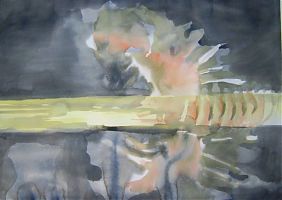
The dark blue corner on the right contrasts with the white corner on the left and signifies: whether by day or by night.
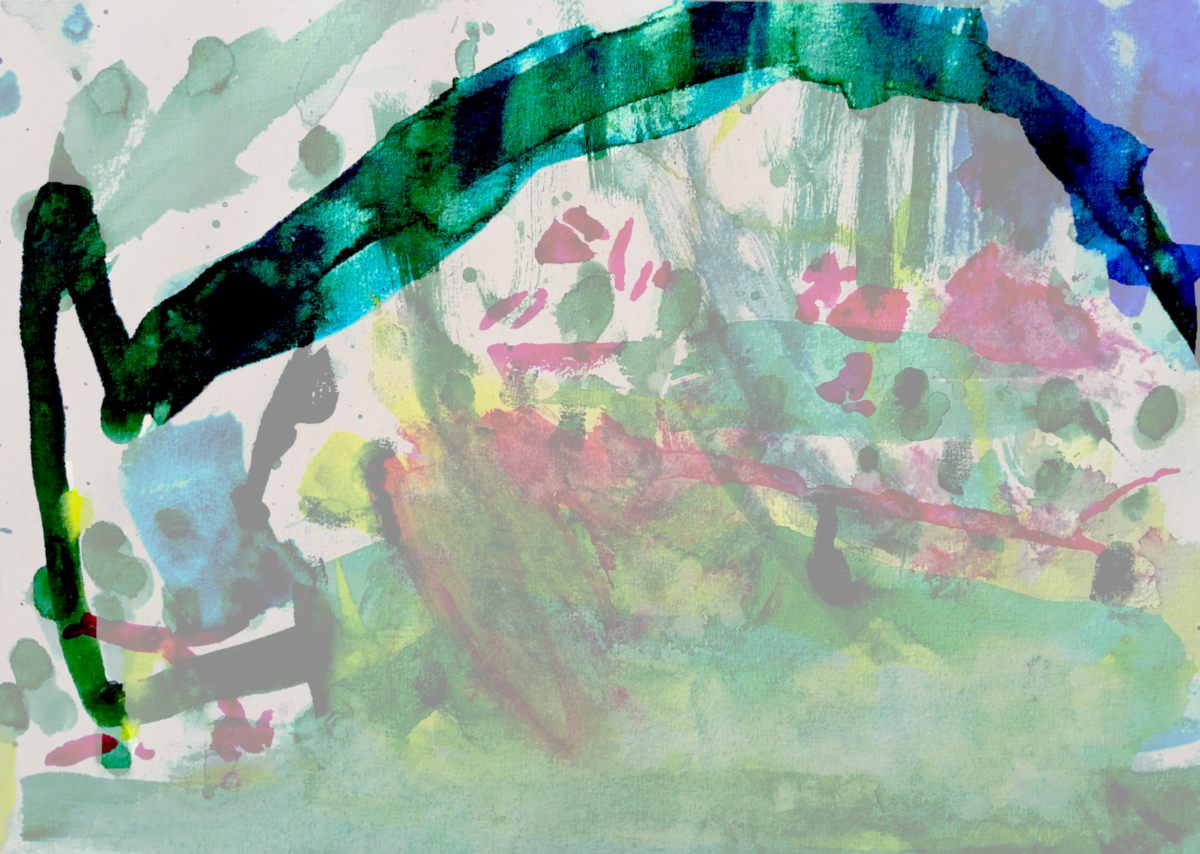
The long, narrow green band has an upward-pointing tip at the beginning. It stretches from one side of the page to the other and signifies: the entire lovely day of your life, from the moment you wake up in the morning until breakfast—that’s what the upward-pointing tip represents—and then through the long day until the very end.
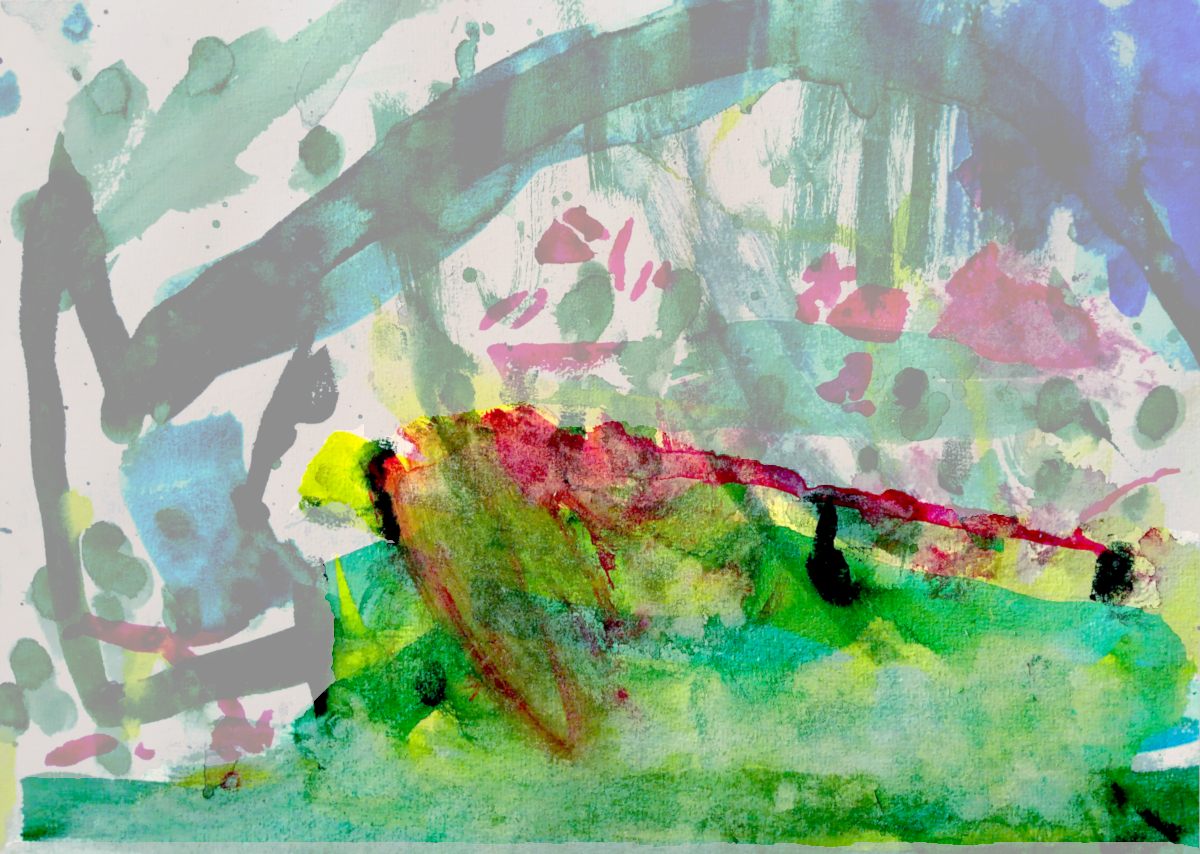
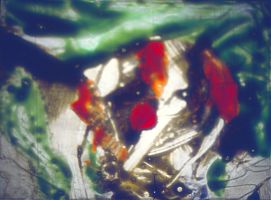
The light green area—which is partly dotted and textured—means: everywhere, in the grass, on the ground, no matter where.
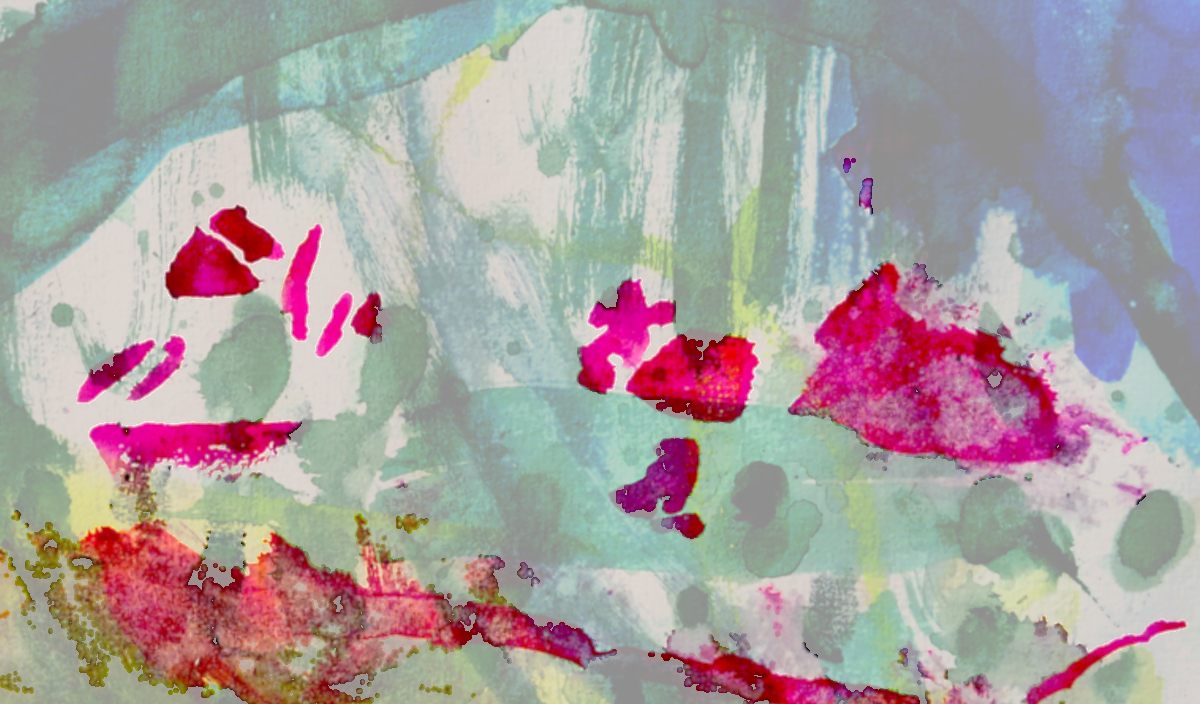
The red symbols and objects mean: Anything that falls here—no matter what it is—is subject to the three-second rule.
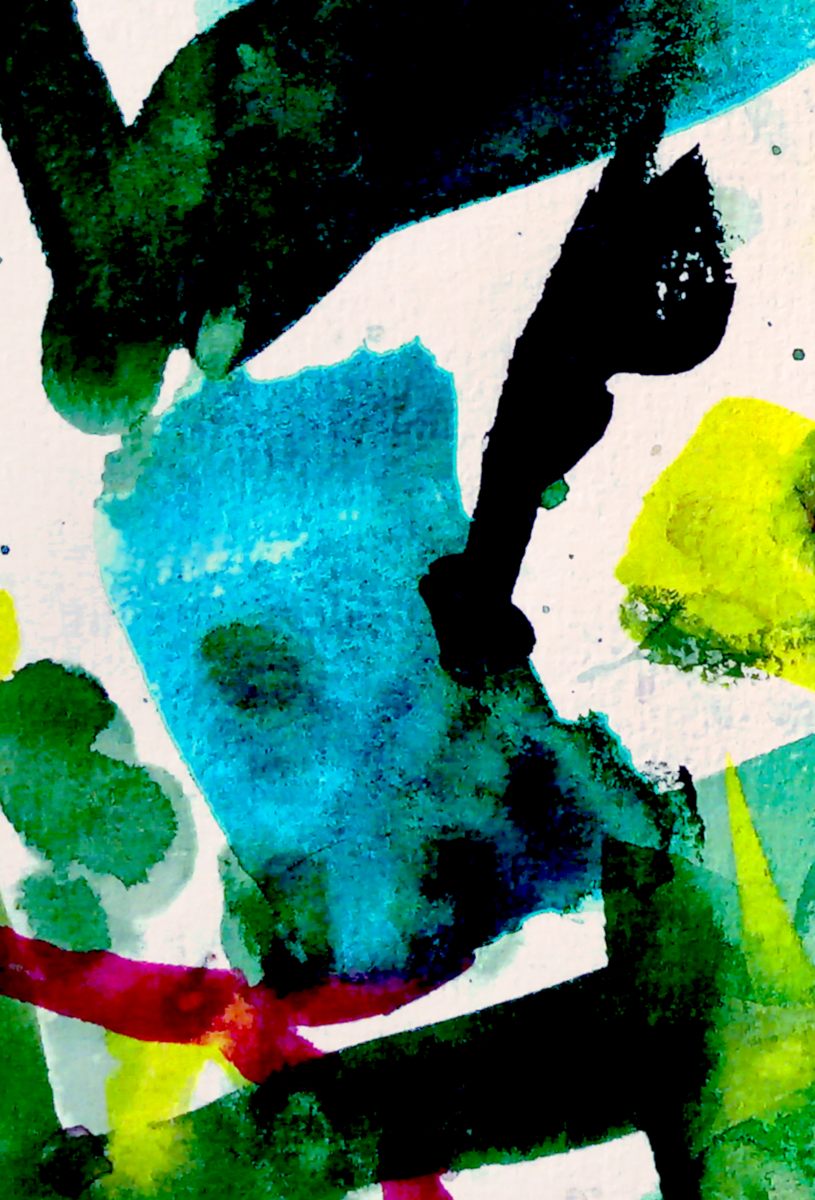
And very important: the green box with a lever on the left side of the image. This is the “Second Rule” box with an adjustable scale ranging from one second to three days. This allows you to turn a three-second rule into a three-day rule if needed.
I could tell he was impressed by how I was, so to speak, copying his drawing. They actually looked like twins. That was the first and only time I was “praised” for my drawing.
“Well, you’ve finally managed to draw a nice picture,” he said.