
Bloody Stones
Datum


Kamera-in Film
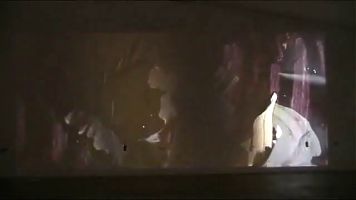
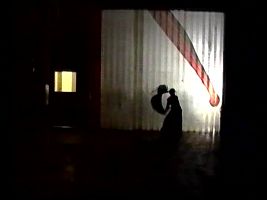
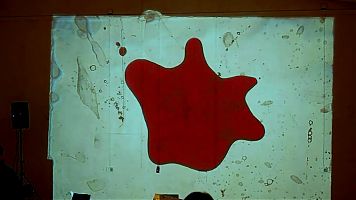
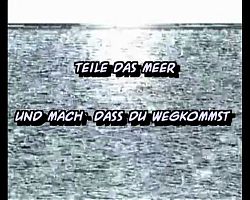
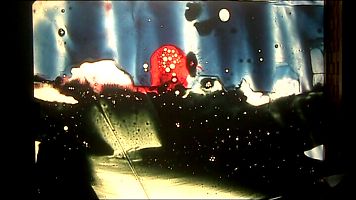
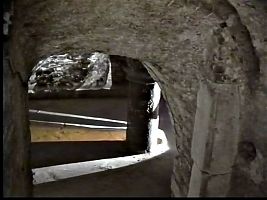
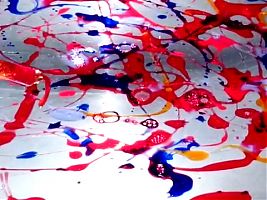
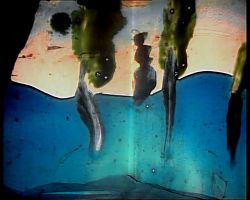
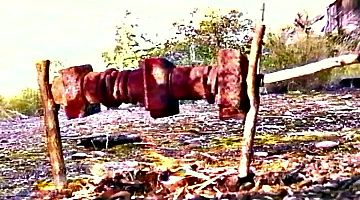
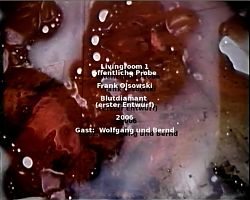
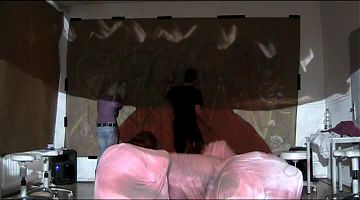
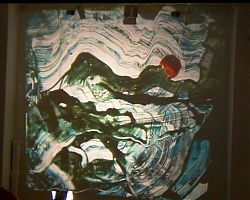
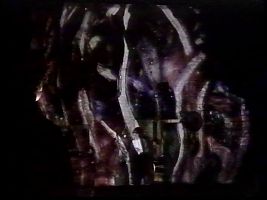
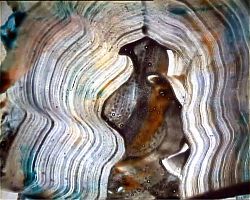
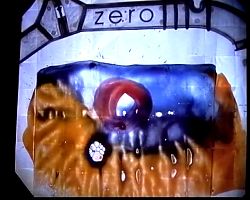
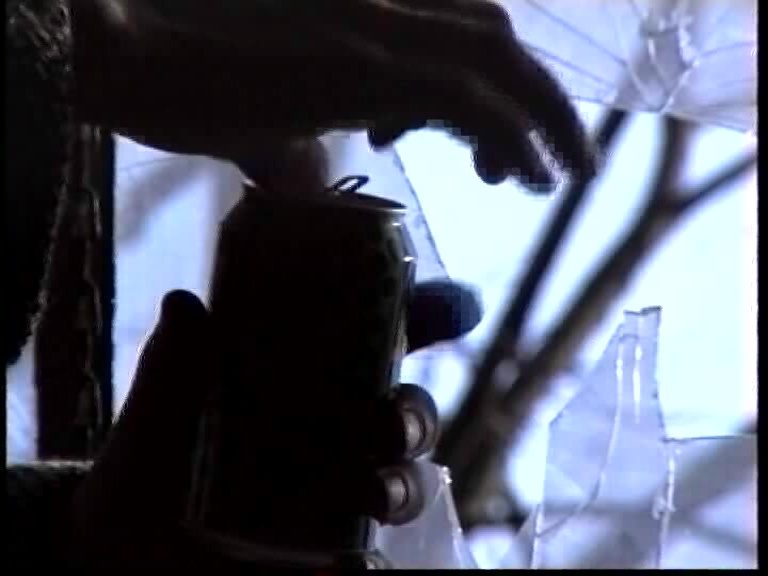
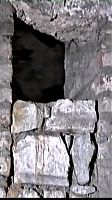
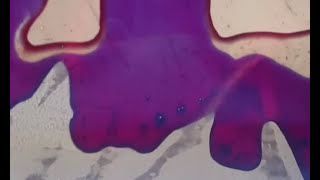
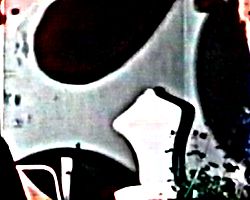
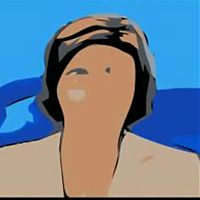
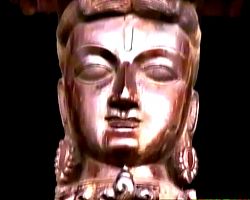
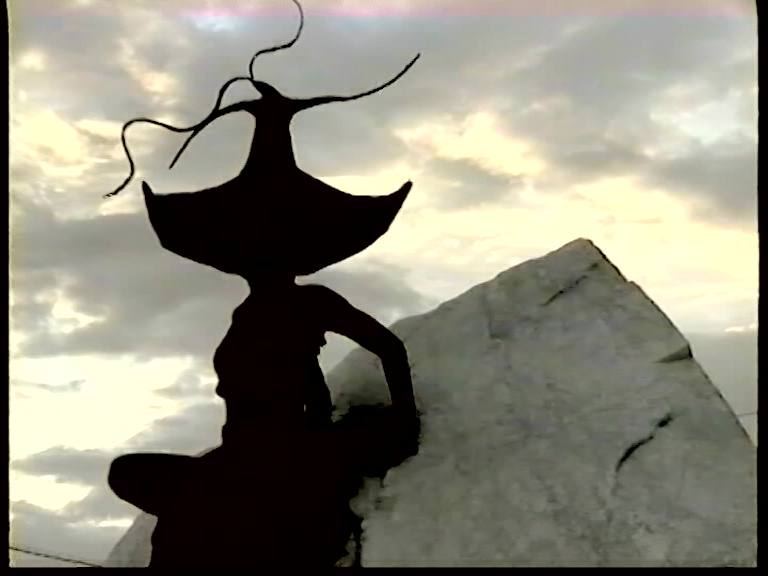
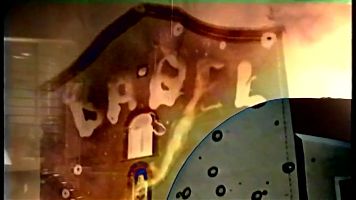
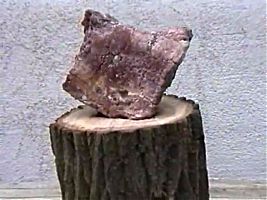
Steine, Trickfilmsequenz aus dem Kamera-in Film Gewölbesinfonie von 1992, Köln
My Sony 6000E was remarkably advanced for its time. It offered three different stop-motion modes as well as an animation mode that could capture sequences of four or six frames. What made it truly special, however, was something else entirely: thanks to timecode, insert editing, and the ability to record additional audio directly in the camera, it was possible to build complex, layered sequences while filming.
One experiment began with a simple idea. I wanted to capture the atmosphere of sparrows bathing in a puddle. I set up the tripod, framed the shot, started recording, and let the camera run for three minutes. Before the first minute had passed, the birds arrived, splashed around, and at timecode 00:01:22:00 a brief quarrel broke out. Within a few seconds they scattered in every direction.
Those were the few seconds I decided to keep. Immediately afterwards I inserted a second shot: a group of sparrows perched on a power line. By pure coincidence, several more birds landed during those three seconds. The result looked as if the same birds had argued over the puddle and then hurried to claim the best places on the wire.
This way of working had another important advantage. Much of the editing was already completed during the recording itself, which greatly reduced the amount of post-production and, more importantly at the time, avoided the inevitable loss of image quality caused by repeatedly copying the master tape.
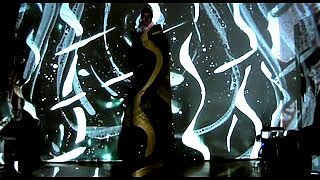
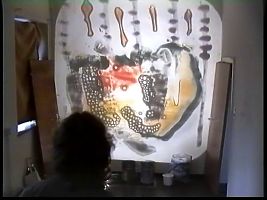
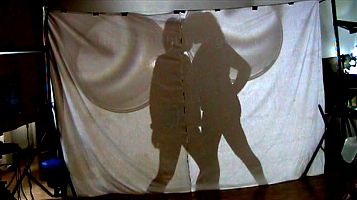
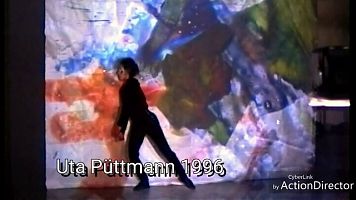
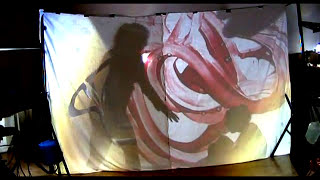
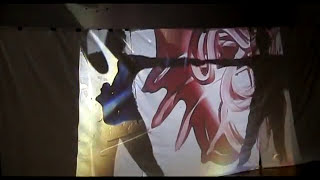
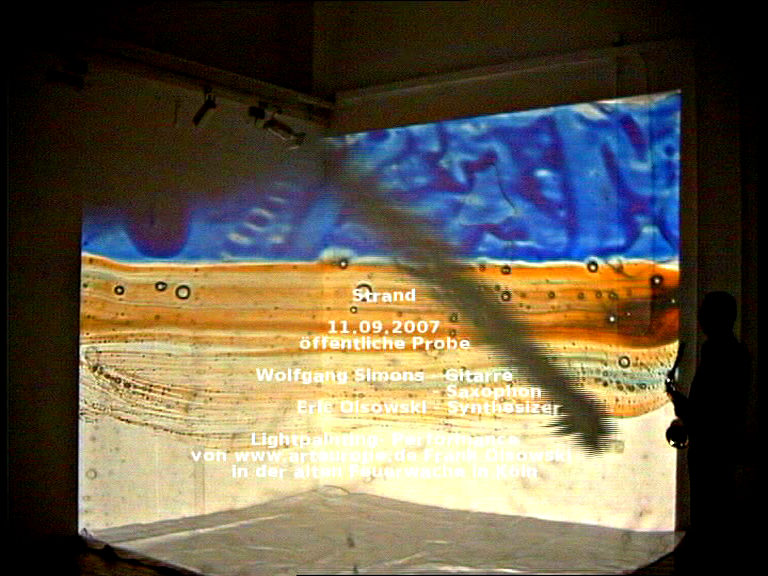
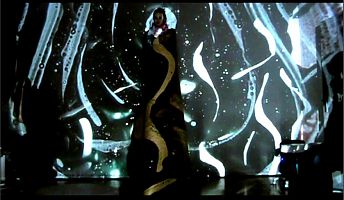
The stop-motion function also opened up interesting possibilities for my overhead projector performances. The challenge was to find a rhythm in which I could change the projected image with my hands while keeping them invisible between the individual frames. That allowed animated movements to emerge directly within the projected image.
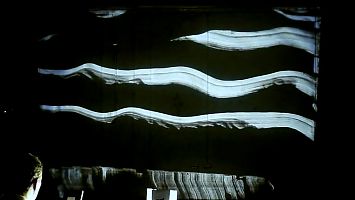
The 15-second sequence from Vault Symphony (Gewölbesinfonie, 1992) shown here was created in exactly this way. It shows a rectangular opening in a wall slowly sealing itself with bricks. As the opening closes, red paint seeps between the stones and begins to run downward, inevitably suggesting blood.
My real ambition was never animation for its own sake. I wanted to introduce movement into otherwise static projected images.
When I look at similar work on YouTube today, I often recognize ideas that I explored decades ago. For very short sequences, simple techniques can work remarkably well: moving a shape by hand or using shadow puppets on rods, much like traditional Asian shadow theatre. Over time, however, these devices tend to lose their impact. A paper airplane sliding across the top of the projection throughout an entire performance quickly becomes predictable. It only works when used deliberately as a visual punchline.
I once came across a humorous video built around an Arabic song whose lyrics occasionally sounded like familiar German words. At one point, a phrase resembled the German word for „crocodile,“ and the creator simply pulled a toy crocodile across the screen. It was such a straightforward idea, yet so consistently executed that it made me laugh out loud.
← Älter Neuer →