




















Children's Art WorkSheets: "Boots on Ground"
Datum


Creativity doesn’t need to be generated; it’s always there.
On this page, I’d like to introduce you to a type of creative project work with traumatized children. It takes some effort to reconnect children—even those who haven’t started school yet—with their natural creativity. Otherwise, we’ll mostly end up with “cephalopods,” St. Nicholas’s house, the sun, moon, and stars, flowers, hearts, and other brainwashed stuff.
In the older age groups, flags often get added to the mix; boys tend to include military equipment—any kind of weapon—while girls prefer to combine their hearts with flowers. Otherwise, everyone enjoys coloring in neatly pre-drawn, clearly outlined pictures.
It’s important to meet the children where they are right now. We certainly don’t want to take away the “coloring craze” for them. Rather, the goal is to create space for freer creativity. That’s why it’s not advisable to pit more challenging creative activities against their mentally undemanding passion for coloring, but rather to create a smooth transition.
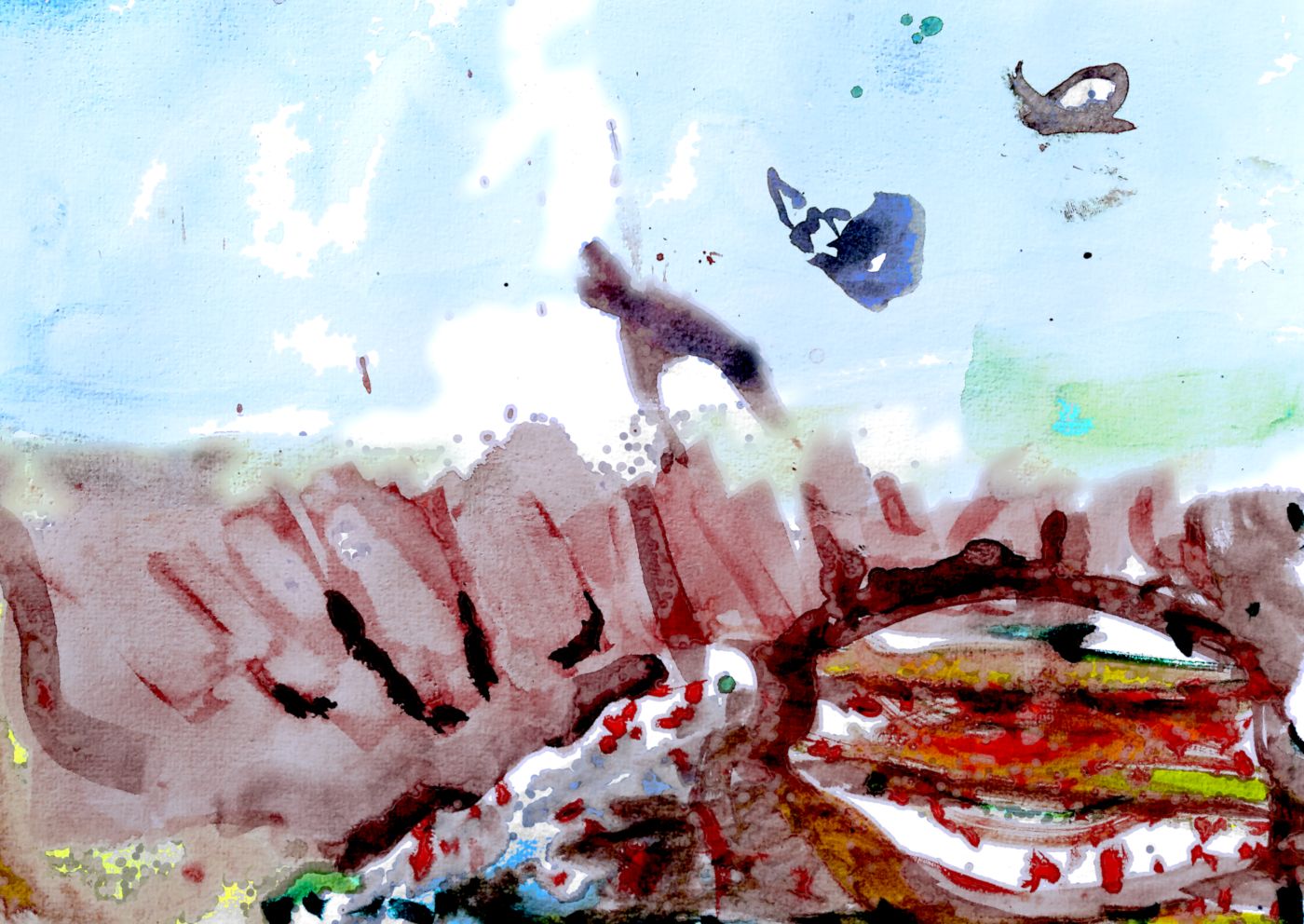
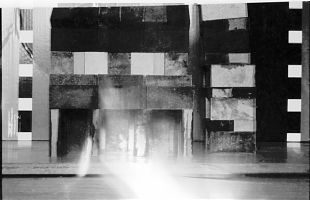
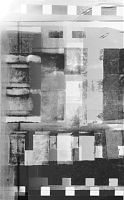
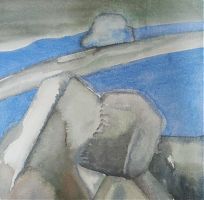
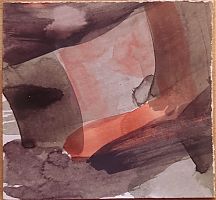
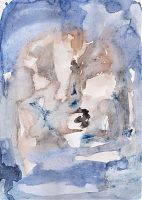
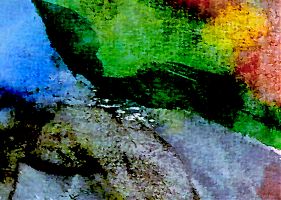
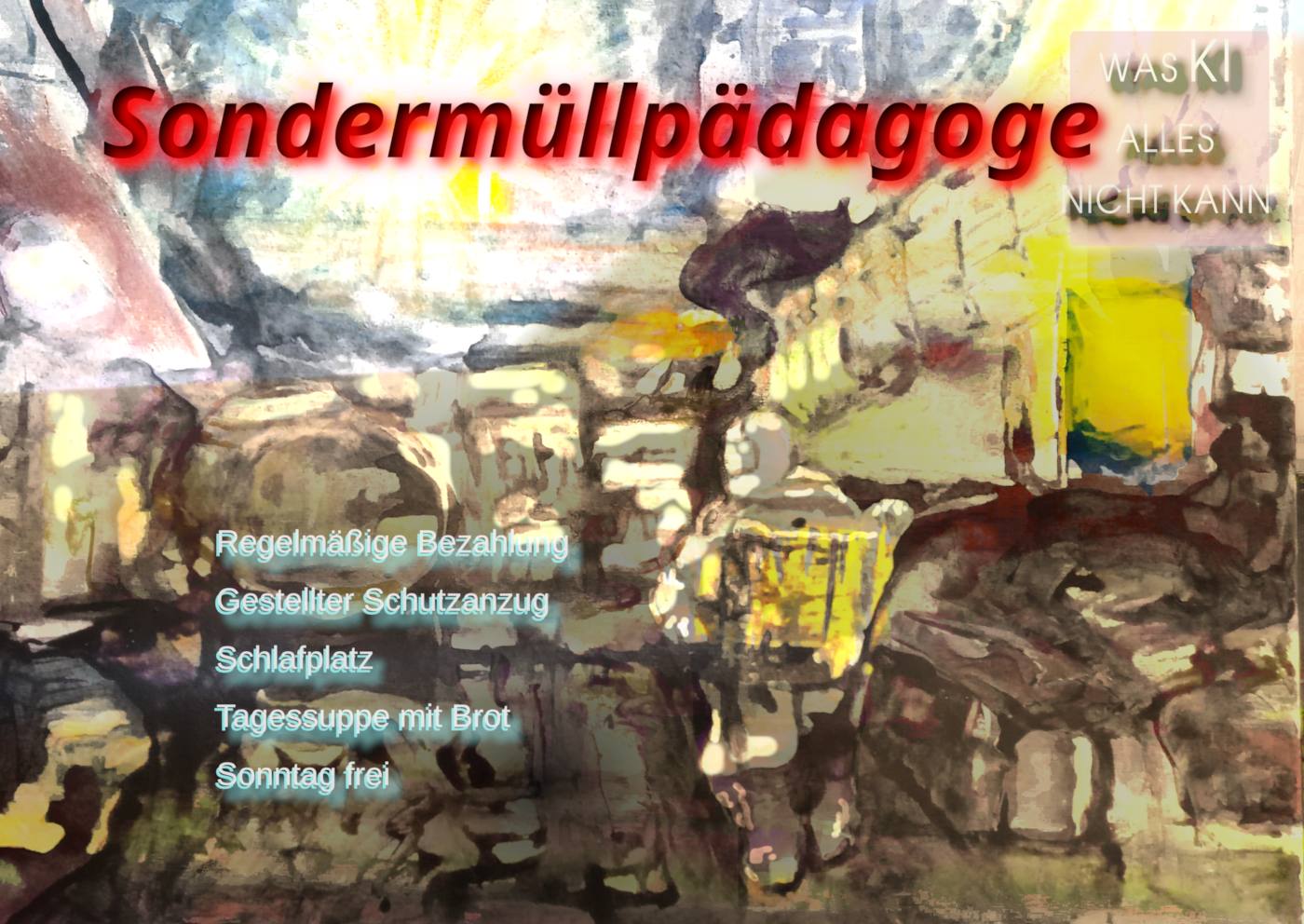
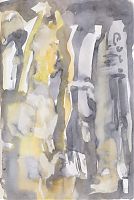
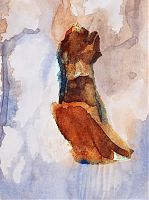
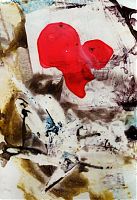
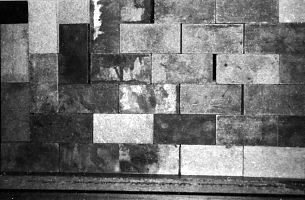
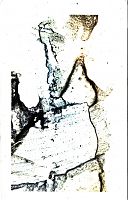
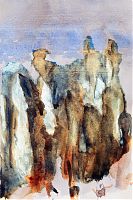
Boots on Ground, aufbereitetes Auarell zu einem Giclée-Print, alle Größen bis 60 cm x 84 cm, DIN A1, Zülpich 2023
A 5-year-old boy, a war refugee from Somalia, with no knowledge of German. At first, his drawings consisted mainly of blobs and scribbles. Creative support came primarily from the forest kindergarten—a kindergarten program consisting of a construction trailer in the woods and a fire pit, where children spent the entire day outdoors from 8:00 a.m. to 1:00 p.m., even in winter. In less than five months, he had already acquired enough German to communicate, and his paintings took on clearer forms; the blobs grew legs, and he began to depict dead animals.
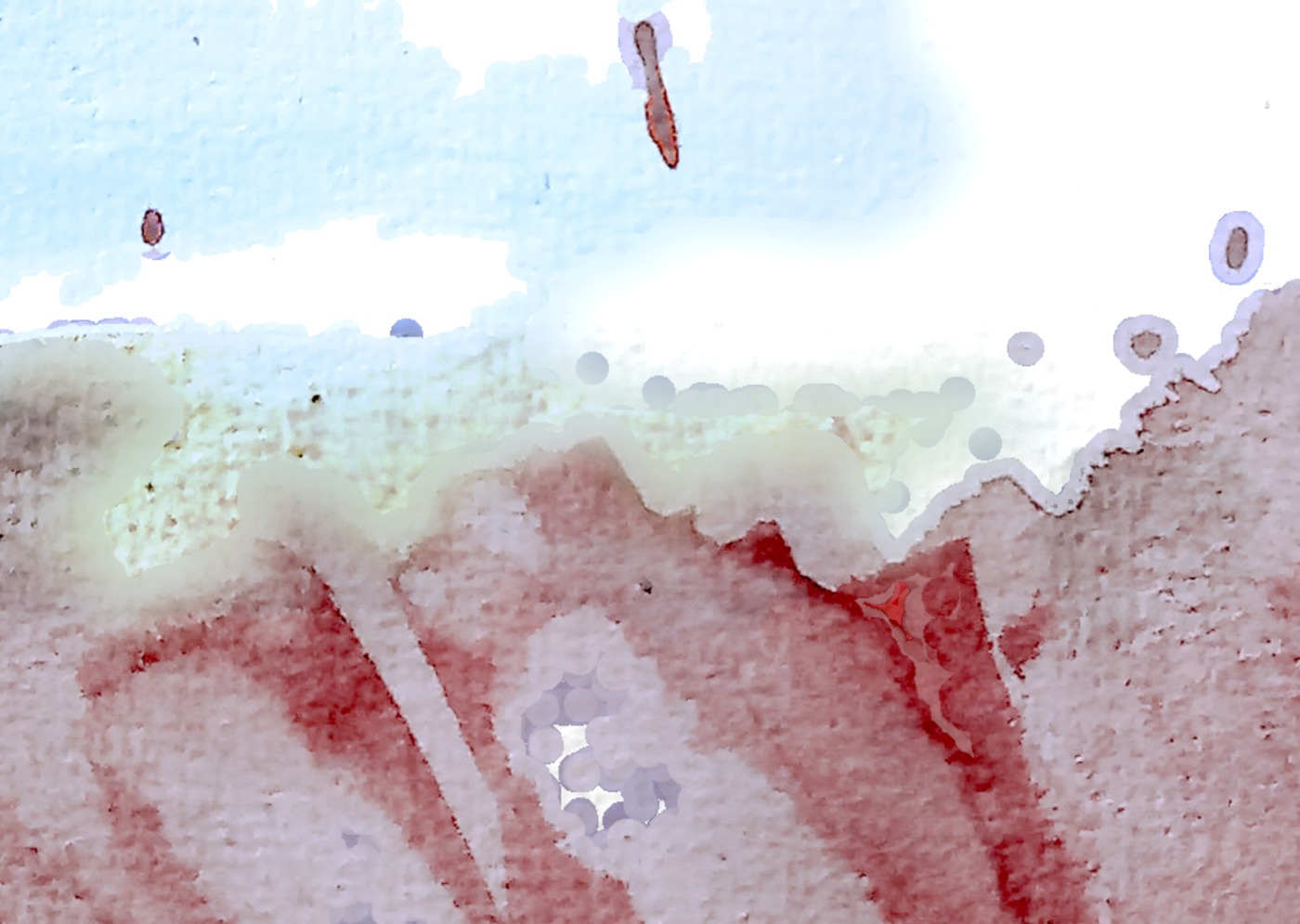
The paintings became richer, with a clear distinction between foreground, middle ground, and background, depicting dynamic landscapes in which events unfold. Following this concept, I created a connection between my style of project-based painting with watercolors and a simple, narrative painting structure to depict a dynamic landscape where something is happening everywhere. However, I couldn’t quite come to terms with the ground line—typical of that age group—defined by the lower edge of the page, and I couldn’t resist adding a bit of perspective. I would love to show you the boy’s composition here. At the time, the focus was on a creative-educational objective, which I’d like to tell you about years later. For this reason, I do not have written consent for publication, nor is it possible for me to obtain it now.
Of course, children often can’t find the right line, the most appropriate color, or may feel their depiction of an object is imperfect. The very first task is to free the child from the notion of right and wrong, to encourage them to capture the essence of an object, and to calmly let them stay where they’ve reached a dead end. “Not knowing how to proceed” is normal; everyone reaches this limit at some point, and the key is knowing how to handle it. It’s a particularly appreciative compliment to discuss the child’s composition while simultaneously creating your own. However, you’ll be wasting your time hoping that the child will praise your design. At least, that’s how it went for me throughout this project. Be sure, however, that this doesn’t turn into a competitive situation. Marvel at the composition: Instead of the common one-third to two-thirds division, the image here is divided almost exactly down the middle between sky and earth. Incorporate this into your own design. This will reinforce to the child that their rather spontaneous composition is meaningful, and from now on, they’ll be able to make this compositional choice consciously.
He was determined to give his picture an American title. I took this wish to heart and similarly titled my picture “Boats on Ground.”